

In The Spotlight: Blue Nomad
A facial spa where you won't find products sold at Sephora.


Welcome to The Spotlight, where we feature brands known in certain circles and not lost to the popularity of the algorithm. Here you’ll find reviews of small businesses and conversations with founders.
Blue Nomad landed in our inbox and invited us for a complimentary facial at their skin health studio in yes, you guessed it… NoMad.
Before, sharing our firsthand review we must say we don’t recommend everything that comes our way. We test it and dive into the backstory. Some make the cut and some don’t.
Today’s Spotlight: comes from Dominique’s POV as Lexi was unfortunately out of town, but she’ll experience the greatness of Blue Nomad soon enough.
Let’s get into it.
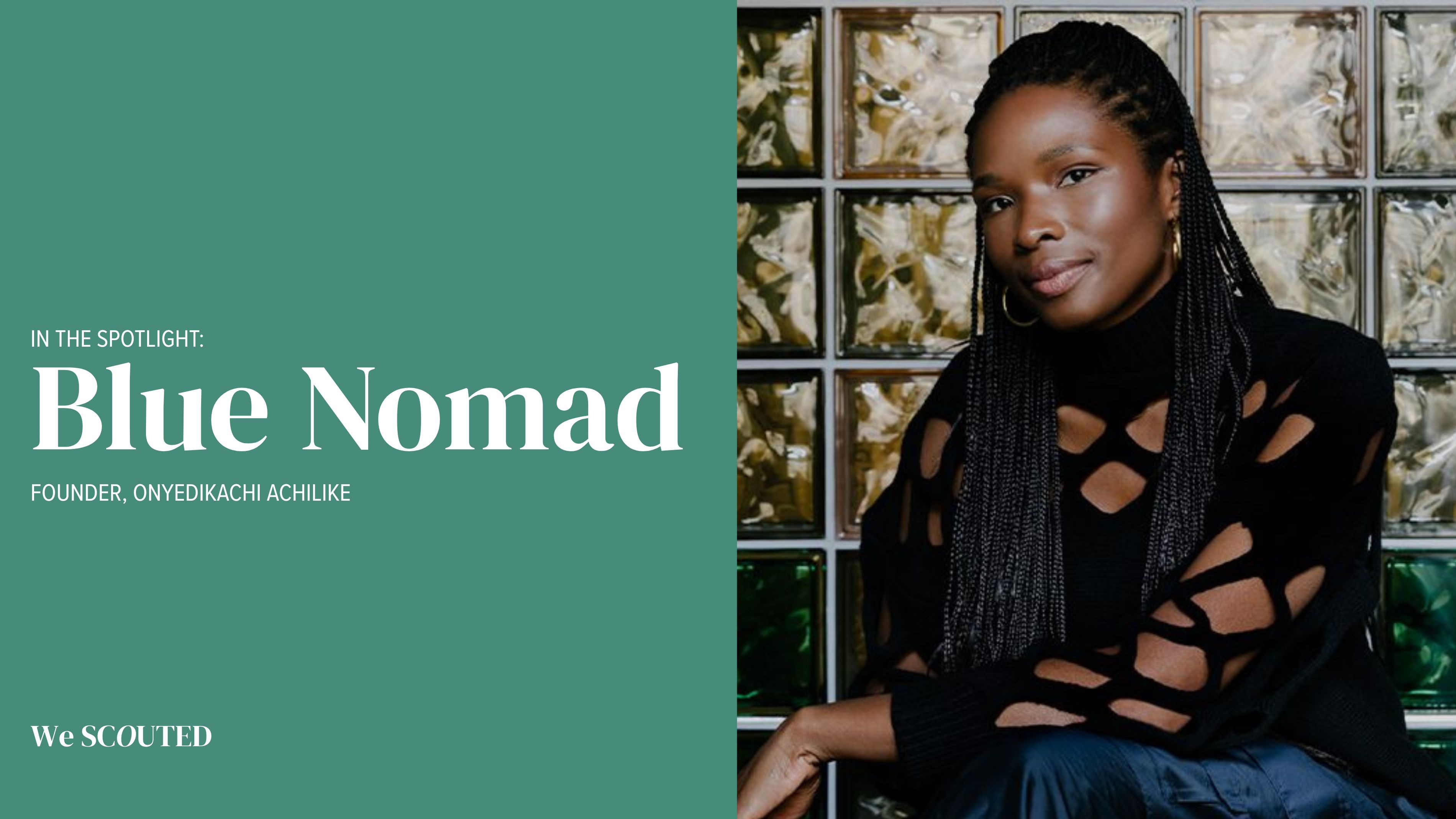
My facial at Blue Nomad took my breath away and left me poreless.
Esthetician and founder, Onyedikachi Achilike, realized my glass skin dreams with a hydrating facial including red light therapy and the kind of girl talk that made me wonder if she was my sister in another lifetime.
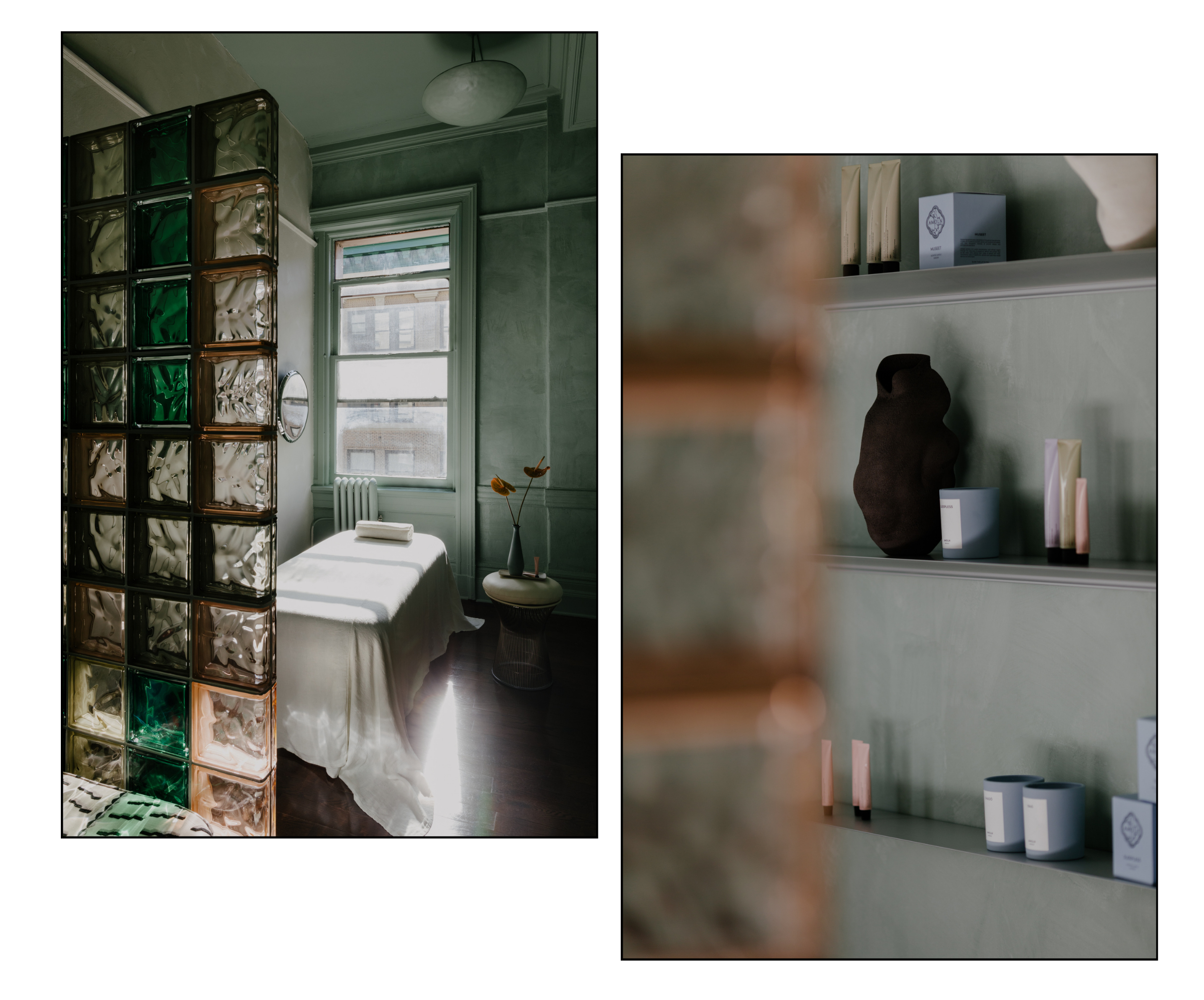
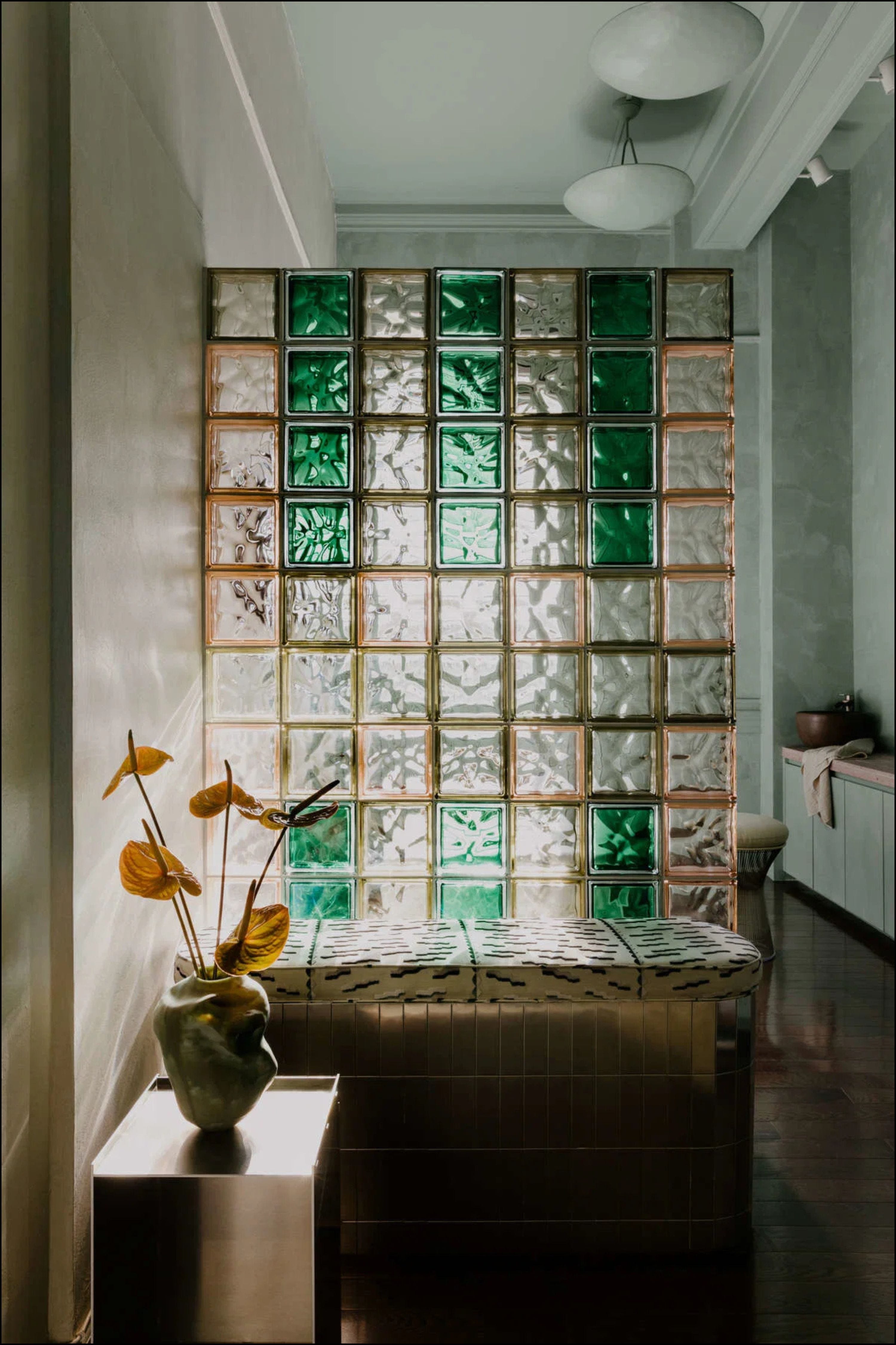
The jewel box of a studio is grounded by blues, greens, and volcanic cantera stone. It’s refreshing in a world where wellness spaces are usually bright white and wood filled.
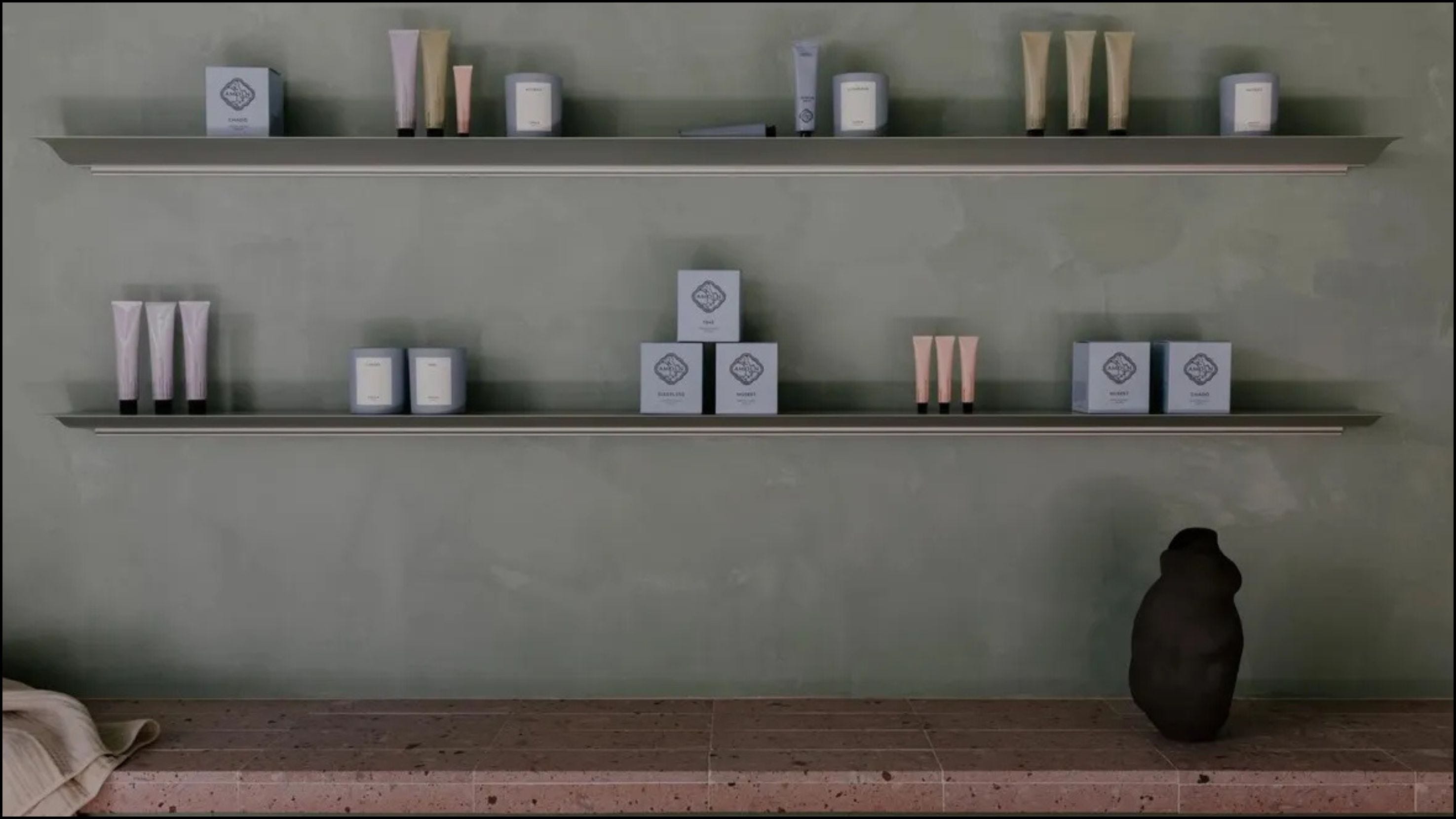
What makes it special isn’t just the boutique feel, but the curation of under the radar skincare products you’d never find at Sephora. You also won’t find Biologique Recherché here either.
Onyedikachi travels far and wide to source brands like the Amoln 1945 candle she was burning upon my arrival and the Woods Lip Repair she applied as the final touch to my facial.
Other products she shared and I’m currently rotating through include:
Lesse Ritual Serum—an organic botanical Vitamin C serum designed for barrier repair, and calming inflammation. I’m swapping my Skinceuticals Vitamin C with this.
Arami Glow Oil in the scent Oud of Eden—a face and body oil focused on targeting dryness, hyperpigmentation, and stretch marks. It smells so good, my husband asked if we could just cuddle the rest of the day.
What Onyedikachi is building sits at the edge of a bigger shift happening in wellness. For too long, the industry has sold aspiration dressed up as efficacy, charging hundreds of dollars for ingredients that cost pennies.
Some hyaluronic acid products are priced hundreds of dollars higher than comparable formulations, even though the ingredients and formulation are the same. That shouldn’t exist.
We sat down with Onyedikachi to learn more.
WS: Walk us through how you decide whether a brand makes it into Blue Nomad. What does a product have to prove to you?
I always come back to three things: formulation integrity, story, and authorship.
Formulation Integrity—the formulation needs to feel thoughtful rather than trend-driven. I tend to prefer brands that formulate in-house rather than outsource, as they maintain greater control over quality and product vision.
Story—I’m drawn to brands that carry real cultural or personal depth rather than narratives constructed purely for marketing. People connect to honesty.
Authorship and possibly most important—I’m drawn to founder-led brands where the creator remains closely connected to the work itself. The most interesting brands often come from someone who had a profound personal experience that compelled them to build something meaningful, not just fill a market gap.
I personally reviewed and tested more than 150 brands before landing on the seven or eight we currently carry. I keep an extensive spreadsheet but rely heavily on instinct. If something feels even slightly off, I move on.
WS: You’ve said the wellness industry is missing the mark on who it’s for. What does a more globally inspired version of wellness actually look like in practice?
Most cultures already had sophisticated wellness systems long before the word wellness existed. They just weren’t packaged, branded, or written about, so they didn’t register. A more globally inspired version of wellness doesn’t invent anything new. It simply pays attention to what already exists and takes it seriously on its own terms.
In practice that looks like daily rituals, small consistent acts drawn from anywhere and everywhere that bring you back to yourself.
I used to play capoeira and never once thought of it as wellness. But it completely was. And that’s the problem. So many people are already doing the work, moving through hard things, holding themselves and each other together, and yet because it doesn’t look like therapy or an expensive retreat, somehow it doesn’t count. That’s the definition we need to break open.
The point isn’t to replace one narrow definition with another. It’s to expand what we recognize as wellness in the first place, so people can design something that actually fits their life.
WS: You studied biology, worked as a VC investor and cross-continent business builder, all while being a skin therapist. What did that shift teach you that investing never could?
I don’t think there was ever a dramatic pivot. I’ve mostly followed curiosity and steered away from things I no longer enjoyed. It wasn’t always straightforward, but curiosity has been a reliable compass.
What practicing as a skin therapist taught me was how to actually see people. Investing often happens at a distance, through data and projections. It’s very top-down, and you can wait seven to ten years to find out if your work even mattered, and even then your role in the outcome is never entirely clear.
Working hands-on with clients removes all of that abstraction. You see how people actually live, how stress shows up physically, and how environment, routine, and emotion manifest through the skin, the body’s largest organ. The feedback loop is immediate, and the impact is real.
Transformation rarely comes from a single breakthrough product; it comes from consistency, trust, and care over time.
Book a treatment with Blue Nomad and be sure to follow them on Instagram.
Know a brand worth spotlighting or want to be featured? Enlighten us here. 💌
Beautifully written. Thank you for such a lovely feature 🤍